Inside Ahli Hospital: A Q&A Dr. Suhaila Tarazi
March 30, 2026- Posted in Diocese of Jerusalem, Gaza, Healthcare, Institution Spotlight, Palestine, Video
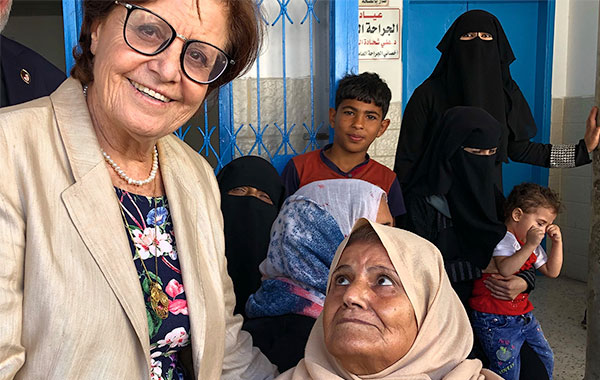
Although many people assume the ceasefire has improved conditions, very little has changed for those living in Gaza. Borders remain closed, and access to medical supplies and fuel is still very limited. While hospitals like Ahli continue to serve hundreds of patients each day under immense pressure, the healthcare system is still fragile. With the escalation of war in the broader region, anxiety is growing. Many fear that attention has shifted away from Gaza, even as humanitarian needs remain unchanged. Despite these challenges, the staff at Ahli Hospital continue to serve the community with dedication and compassion, caring for every patient who comes through our doors.
What challenges does the Hospital still face?
Our biggest challenges are that electricity remains unstable and essential medications are in short supply. Additionally, many families are still displaced and living in overcrowded, unsafe, and unsanitary conditions. This environment is leading to increased illness, and a greater demand for medical care. Ahli is one of the only hospitals left in the region that continues to serve people, regardless of ethnicity, religion, or ability to pay.
How many patients does the Ahli team treat each day?
Ahli Hospital’s emergency department sees about 130 emergency and trauma cases every day, while the outpatient clinics treat approximately 100 patients. The wound care unit treats 150 patients daily, and the burns and physical therapy departments see roughly 95 patients. We are seeing a growing number of patients with heart disease, kidney disease, diabetes, and chest infections, particularly because they have been unable to access reliable and consistent medical care. These numbers are accurate as of March 16, 2026.
What supplies are hardest to obtain?
Among the most difficult supplies to obtain are gauze, bandages, orthopedic screws and plates for trauma surgeries, as well as antibiotics and medications for chronic illnesses such as high blood pressure and cancer treatment. In addition, there is a severe shortage of fuel that impedes all medical and recovery work. Supplies that are available are priced very high, making it even harder to purchase and maintain stock.
How long do you anticipate your current stock of medical supplies will last?
It is difficult to predict. With the high number of patients seeking care every day, supplies are being used rapidly. Some essential items are already extremely limited or unavailable, making it increasingly difficult for doctors to provide the care that patients need. While the medical teams at Ahli provide the best possible care given the circumstances, the lack of life-saving resources are impacting treatment options, and delaying recovery in many cases.
A message to AFEDJ donors: You carry the light
Dr. Tarazi said “I invite you to continue carrying the light with us. Your support does more than keep doors open. It means that thousands across the Holy Land can find care and compassion even in the darkest of times. Most of all, it reminds us that we are not alone, and that knowledge sustains us more than words can express.”
Will you stand with Ahli today?
Each donation directly impacts patients’ lives, strengthens staff, and keeps care accessible for those who cannot pay.
Your partnership ensures care remains available to those the world has forgotten.
Please make a gift today to sustain essential care and ensure that in their hour of greatest need, the people of Gaza find a place of sanctuary and a world that refuses to look away.